Explore Pneumatic Fittings for Secure Connections
Exploring Compressed Air & Fluid Handling: Critical Insights on Valves and Fittings
Comprehending fluid and compressed air management necessitates a solid understanding of valves and fittings. These components hold significant importance in controlling flow and preserving system reliability. Choosing the right fittings and valves may considerably affect operational safety and efficiency. Nevertheless, people often disregard the subtleties of maintenance and installation. Understanding these elements may lead to enhanced performance and lower downtime. Which targeted approaches can enhance the reliability of these operational systems?
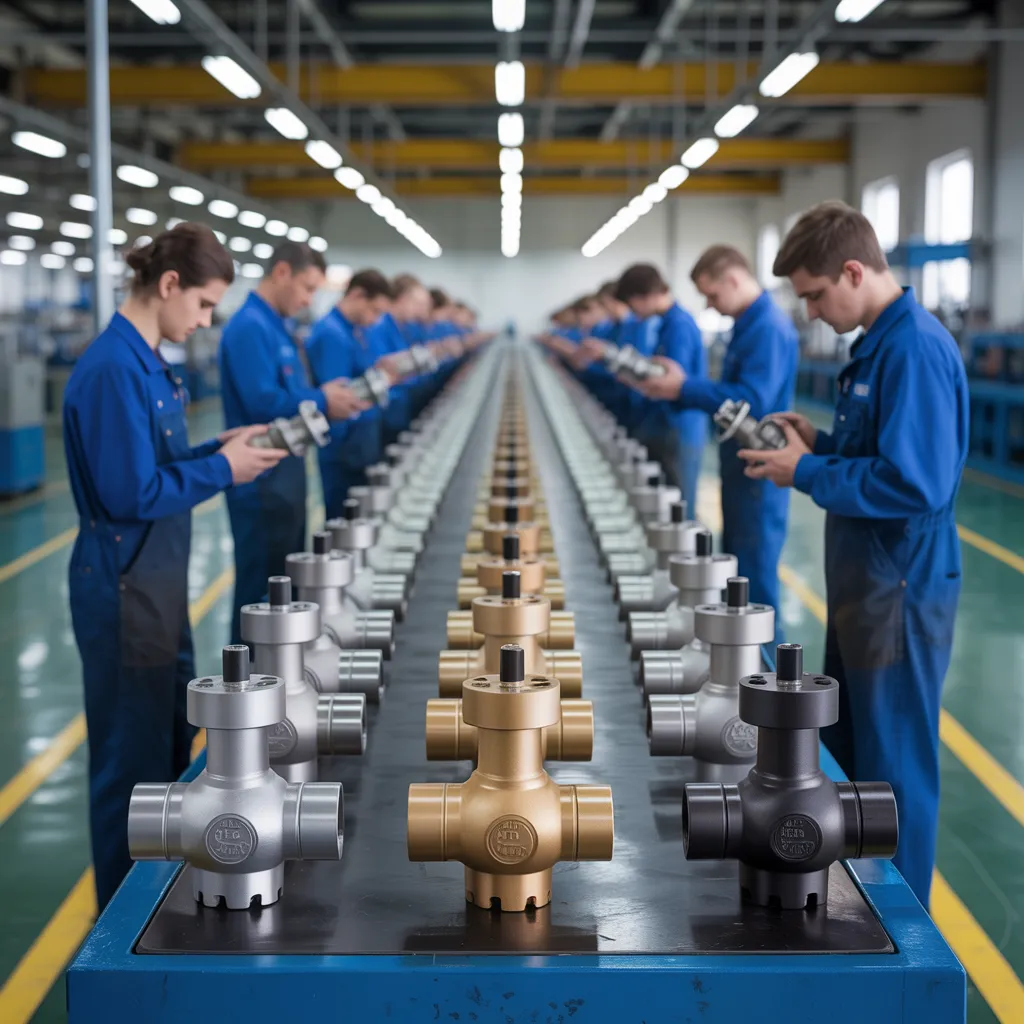
Examining the Significance of Valves in Fluid Dynamics
Valves fulfill a vital purpose in the science of fluid dynamics, managing flow and pressure throughout systems. These critical components ensure that fluids move efficiently through pipelines and machinery, affecting both performance and safety. By regulating the flow of liquids and gases, valves work to preserve ideal operational conditions, prevent backflow, and manage pressure surges.
Various types of valves fulfill particular roles, including throttling, pressure relief, and isolation. Their construction and material composition heavily affect the durability and reliability of systems. As an example, high-performance valves can withstand extreme temperatures and corrosive environments, vital for industries such as chemical processing and oil and gas.
Proper valve selection and maintenance are fundamental in optimizing system performance and minimizing downtime. Grasping the complex function of valves in fluid dynamics enables engineers and operators to develop effective, safe, and sustainable fluid management systems, consequently boosting productivity and decreasing operational expenditures.
Types of Valves: Choosing the Right One for Your System
In the domain of fluid dynamics, selecting the appropriate valve type is essential for system efficiency. A review of different valve types, combined with key selection criteria and application-specific considerations, can guide engineers in making informed choices. Recognizing these considerations secures peak performance and reliability in systems designed for fluid and compressed air management.
An Overview of Valve Types
Identifying the correct valve type is critical for enhancing fluid handling systems. Numerous valve types can be found, each designed for specific applications and functionality. Spherical valves, known for their durability and tight sealing, are ideal for open/close control. Gate valves deliver low pressure reduction, rendering them effective for flow control. Spherical control valves are outstanding in flow restriction applications, delivering exact management of fluid circulation. Non-return valves eliminate backward flow, preserving system consistency. Diaphragm valves are frequently employed in sanitary applications, as they reduce the risk of contamination. Finally, electromagnetic valves are automated options, providing quick response times for control systems. Recognizing these differences assists in selecting the appropriate valve, consequently boosting system effectiveness and consistency.
Essential Selection Criteria
Identifying the correct valve for a fluid control system encompasses several key decision criteria that influence performance and efficiency. To begin, the nature of the fluid—whether it is gas, liquid, or slurry—establishes the necessary materials and compatibility for maximum performance. Pressure and temperature ratings are essential, as they ensure the valve can withstand working conditions without breaking down. Moreover, flow rate specifications determine valve size and design, influencing the efficiency of the system. The actuation approach, whether electric, manual, or pneumatic, ought to match system automation needs. Lastly, consider maintenance requirements and longevity, as these factors significantly impact operational costs. By carefully evaluating these criteria, it is possible to choose a valve that optimizes both system reliability and performance.
Application-Based Factors
A detailed grasp of application-related factors is vital when selecting the correct type of valve for a liquid handling system. Various applications demand distinct valve properties, including pressure tolerances, flow specifications, and fluid compatibility. For reference, gate valves are well-suited for open/close control in high-pressure applications, while globe valves are more appropriate for throttling applications. Furthermore, materials such as corrosion-resistant stainless steel or PVC may be necessary depending on the chemical characteristics of the fluid. Surrounding conditions, such as thermal conditions and exposure to corrosive elements, also play an important role in the valve selection process. At the conclusion, identifying the appropriate valve ensures peak performance, safety, and longevity of the liquid handling system.
Key Fittings and Their Role in System Performance and Safety
Key fittings serve as vital elements in systems designed for compressed air and fluid management, as they significantly impact overall performance and safety. Choosing the right fittings and materials is essential for maintaining compatibility and durability throughout the system. Additionally, following best practices throughout the installation process can prevent leaks and enhance operational efficiency.
Kinds Of Fittings
Fittings play an essential role in the safety and efficiency of compressed air and fluid systems. They serve as critical junctions that join multiple system components, ensuring a seamless flow of gases and liquids. The primary fitting types consist of couplings, elbows, tees, and adapters, each designed for specific applications. Couplings facilitate quick connections, while elbows allow for directional changes in piping. Tees allow for divisions from the primary line, and adapters provide compatibility between different sizes or types of pipes. Each fitting type must be selected based on the system's requirements, as their performance directly impacts system integrity and operational reliability. Familiarity with these fitting types is key to achieving optimal system design and maintenance.
Considerations for Material Selection
Material selection is a critical factor that impacts the efficiency and reliability of fluid and compressed air handling systems. The decision on materials for fittings directly impacts durability, corrosion resistance, and compatibility with various fluids. Frequently used materials encompass brass, stainless steel, and plastic, each offering distinct advantages. Brass fittings offer superior strength along with corrosion resistance, making them well-suited to both air and water system applications. Stainless steel offers superior durability and resistance to harsh environments, while plastic fittings are lightweight and resistant to certain chemicals. Additionally, both temperature and pressure ratings need to match system specifications to secure dependable operation. In the end, the proper selection of materials boosts system efficiency, minimizes maintenance costs, and upholds operational safety.
Best Practices for Installation
Sound installation methods are vital for optimizing the performance and safety of compressed air and fluid handling systems. Accurate alignment and proper securing of fittings provide connections free of leaks, which is critical for maintaining system integrity. Applying the proper torque specifications throughout assembly is critical to avoid overtightening that may compromise components. Furthermore, maintaining a clean and contaminant-free installation environment is important to avoid compromising system efficiency. Verifying that all fittings are suitable for the chosen materials lowers the potential for component failure. Regular inspections and maintenance checks after installation enable early detection of possible concerns, thereby enhancing system longevity. Following these best practices greatly contributes to reliable operation and safety in fluid handling applications.
How to Install Valves and Fittings
Fitting valves and fittings demands thorough precision to guarantee a stable and sealed connection. To begin, verify that all elements are appropriate for the system's requirements, including pressure ratings and material compatibility. Clean the contact areas of the pipes and fittings to clear away any contaminants or debris that might weaken the seal.
When installing fittings, it is vital to position them correctly and prevent cross-threading. Start by hand-tightening fittings and then employ the proper tools to fasten them, taking care not to overtighten, which may compromise the threads or the fitting itself.
In the case of threaded connections, using Teflon tape can improve the seal and stop leaks from occurring. For flanged fittings, confirm that gaskets are used and that bolts are tightened in a crisscross pattern to ensure consistent pressure is applied evenly. Carrying out these steps diligently will help maximize the durability and effectiveness of the compressed air or fluid handling system.
Identifying and Fixing Common Valve and Fitting Issues
Upon verifying the correct setup of fittings and valves, consideration must be given to identifying and addressing common issues that may arise. Leaks represent some of the most frequent concerns, often caused by insufficient tightening or deteriorated seals. Consistent monitoring can aid in spotting these leaks at an early stage, preventing fluid loss and system inefficiency.
One other prevalent problem relates to valve malfunction, which may result from the buildup of debris or corrosion. Maintaining cleanliness and selecting proper materials may reduce the likelihood of such issues. Additionally, fittings may experience wear over time, leading to misalignment or failure to maintain pressure.
Detecting abnormal sounds or pressure fluctuations can also suggest underlying problems. Personnel should be equipped to identify these indicators quickly. By tackling these problems quickly, organizations can copyright system integrity and operational performance, reducing the risk of costly disruptions and maintenance expenses.
Essential Tips for Extending Component Lifespan
Prolonging the lifespan of parts in pneumatic and fluid management systems necessitates systematic and consistent maintenance procedures. Periodic inspections are critical; maintenance personnel should check fittings and valves for signs of wear, corrosion, or leaks. Ensuring components remain clear of dust and contaminants can considerably supplementary information boost overall efficiency and service life.
Lubrication represents another essential consideration; applying the correct lubricants to specified areas helps prevent friction and wear. Additionally, tracking operating pressures and temperatures ensures components are not exposed to extreme conditions that may result in premature failure.
It is critical to replace worn or damaged components in a timely manner to avoid further system deterioration. Operators should also maintain a log of maintenance activities to identify patterns and address recurring issues. By implementing these practices, the overall reliability and efficiency of compressed air and fluid handling systems can be markedly improved, thereby extending the life of critical components.
Questions We Are Often Asked
What Are the Best Materials for Valves and Fittings in Challenging Environments?
In demanding environments, options like stainless steel, brass, and high-performance plastics are recommended for valves and fittings. These materials offer corrosion resistance, exceptional durability, and are built to handle demanding temperatures, ensuring reliable performance in demanding environments.
How Do Temperature Fluctuations Influence Valve and Fitting Performance?
Temperature changes can substantially affect the performance of valves and fittings by changing material characteristics, causing thermal expansion or contraction. Such fluctuations can result in leaks, decreased efficiency, and increased wear, ultimately affecting system reliability and longevity.
Can Existing Systems Be Retrofitted With Newer Valve Technologies?
Yes, legacy systems can in many cases be updated with modern valve innovations. Nevertheless, compatibility with existing components must be assessed, guaranteeing that performance, efficiency, and safety standards are maintained throughout the integration process.
What Are the Environmental Regulations Regarding Fluid Handling Systems?
Environmental regulations for fluid handling systems typically include adherence to local, state, and federal regulations. Such standards concentrate on minimizing leaks, ensuring safe disposal, and reducing environmental impact, while ultimately preserving ecosystems and public health.
How Do I Select the Right Size for Valves and Fittings?
To select the right dimensions for valves and fittings, one must evaluate the flow rate, pressure specifications, and system requirements. Accurate calculations confirm compatibility, optimal performance, and efficiency within the fluid handling system.